Breast Cancer Surgery Video: Understanding the Process
Watch our comprehensive breast cancer surgery video to understand the procedure, recovery, and tips for prevention.

Updated on Mar 14, 2026

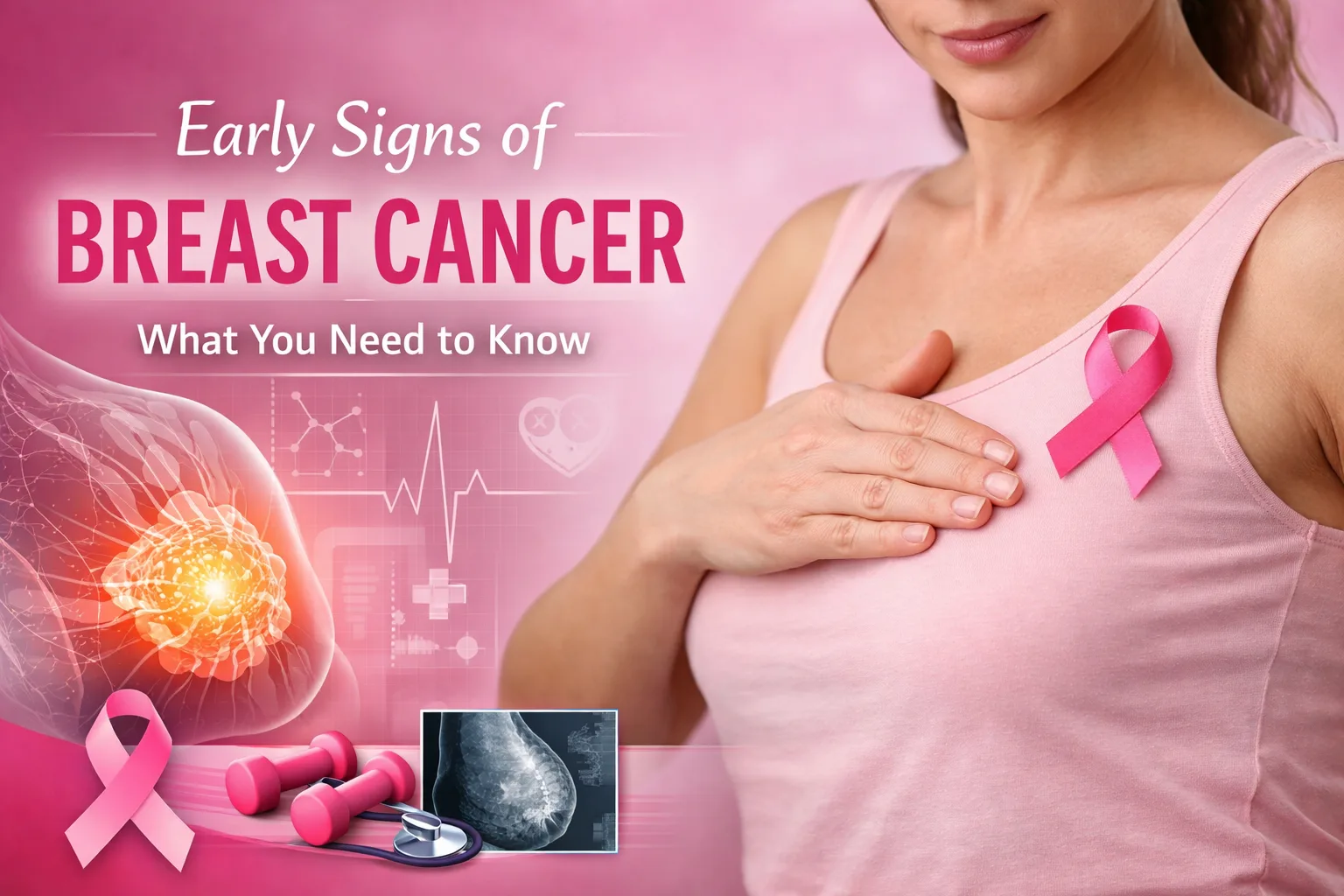
breast cancer surgery video
Medically Reviewed by:
Dr. Sample Oncologist
Medical Oncology
MD, DM Oncology 15+ years of experience
Breast cancer surgery can be a pivotal moment in the journey of a patient diagnosed with this prevalent condition. In the United States alone, about 1 in 8 women will develop invasive breast cancer over the course of their lifetime, according to the American Cancer Society. For many, understanding what the surgery entails, its purpose, and the expected outcomes can significantly alleviate anxiety and provide clarity. In this article, we will explore various aspects of breast cancer surgery, including a detailed overview of what a breast cancer surgery video typically covers, the risks and symptoms of breast cancer, and the recovery process following surgery.
Learn more about breast Cancer - Complete Guide.
Overview of breast cancer surgery video
A breast cancer surgery video serves as an educational tool, helping patients and their families understand the surgical procedures involved in treating breast cancer. These videos are often produced by oncology centers, hospitals, or medical organizations and can be invaluable resources for patients who may feel overwhelmed by the amount of information they receive during consultations.
Typically, these videos provide insights into different types of surgeries, such as lumpectomy, mastectomy, or reconstruction. They often include the following:
- Clear explanations of each surgical option: Patients learn about the different procedures available to them, including the risks and benefits associated with each.
- Visual demonstrations of the surgical process: Many videos include animations or actual footage of the surgeries, which can help demystify the process.
- Information about anesthesia and recovery: Understanding the anesthesia process can ease fears about surgery.
- Patient testimonials and experiences: Hearing from others who have gone through similar experiences can provide comfort and insight.
By watching a breast cancer surgery video, patients can become more informed and prepared for what to expect before, during, and after the procedure. This preparation can lead to reduced anxiety and increased satisfaction with care.
Causes or Risk Factors
The exact cause of breast cancer remains unclear, but several risk factors have been identified. Understanding these factors can help in early detection and prevention:
- Genetic mutations: Women with a family history of breast cancer may carry mutations in genes such as BRCA1 or BRCA2, which significantly increase their risk. Approximately 15% of breast cancers are thought to be hereditary, according to the National Cancer Institute.
- Age: The risk of developing breast cancer increases as a woman ages. About 80% of breast cancer cases occur in women over the age of 50, as reported by the American Cancer Society.
- Hormonal factors: Extended exposure to estrogen, such as early menstruation or late menopause, can increase risk. Women who have their first menstrual period before age 12 or who go through menopause after age 55 may be at higher risk.
- Lifestyle choices: Factors like obesity, lack of exercise, and alcohol consumption can contribute to breast cancer risk. The World Health Organization (WHO) estimates that about 20-30% of breast cancer cases may be preventable through lifestyle modifications.
Symptoms or Warning Signs
Early detection of breast cancer is crucial for successful treatment. Recognizing the warning signs can lead to timely diagnosis and improved outcomes:
- Lumps: A noticeable lump or mass in the breast or underarm area is often the first sign of breast cancer. Most breast lumps are not cancerous, but any new lump should be evaluated by a healthcare provider.
- Changes in breast size or shape: Swelling or changes in contour of the breast may indicate the presence of a tumor. Some women report asymmetrical changes that can be a cause for concern.
- Nipple discharge: Unexplained fluid leaking from the nipple, especially if it is bloody or clear, should be assessed by a doctor. While nipple discharge is often benign, it can also signal an underlying issue.
- Pain: Persistent pain in the breast or nipple area that does not go away can be a warning sign. However, it's essential to note that pain alone is not usually an indicator of breast cancer.
For more detailed images of potential symptoms, you can view our pictures of breast cancer lumps in armpit.
Diagnosis and Tests
To confirm a diagnosis of breast cancer, several tests may be conducted, including:
- Mammography: An X-ray of the breast to detect tumors. The American College of Radiology recommends that women begin annual mammograms at age 40.
- Ultrasound: An imaging test that uses sound waves to visualize the breast. This is often used as a follow-up to mammograms to further evaluate suspicious areas.
- Biopsy: A procedure where a small sample of breast tissue is removed for examination. There are different types of biopsies, including needle biopsies and surgical biopsies, each with its advantages and disadvantages.
According to the National Institutes of Health (NIH), early detection through these methods significantly improves survival rates, with a 5-year survival rate of 99% for localized breast cancer.
Treatment Options
Once breast cancer is diagnosed, various treatment options may be available. The choice of treatment depends on the stage and type of breast cancer. Below is a table summarizing the common treatment options:
| Treatment | Description | Estimated Cost |
|---|---|---|
| Lumpectomy | Removal of the tumor and a small margin of surrounding tissue. This is often accompanied by radiation therapy to eliminate any remaining cancer cells. | Varies by location; average $10,000 - $15,000 |
| Mastectomy | Complete removal of one or both breasts. This can be total mastectomy or modified radical mastectomy, depending on the extent of cancer. | Varies by location; average $15,000 - $30,000 |
| Radiation Therapy | Use of high-energy waves to target and kill cancer cells. This is often used after lumpectomy to reduce the risk of recurrence. | Average $10,000 - $20,000 |
| Chemotherapy | Administration of drugs to kill cancer cells, usually after surgery. Chemotherapy can be given before surgery (neoadjuvant) to shrink tumors. | Average $10,000 - $100,000 (depending on regimen) |
Recovery and Survival Rates
Recovery from breast cancer surgery varies by individual and type of surgery performed. Generally, patients can expect:
- Initial recovery: Lasting a few weeks, during which patients may experience pain, swelling, and fatigue. Pain management strategies, including medications and physical therapy, are crucial.
- Follow-up appointments: Regular follow-ups to monitor healing and check for recurrence. These appointments are critical for assessing recovery and addressing any concerns.
- Physical therapy: Many patients benefit from physical therapy to regain strength and mobility, especially after mastectomy.
Survival rates depend on several factors, including the stage of cancer, treatment methods, and overall health. According to the American Cancer Society, the overall 5-year relative survival rate for breast cancer is about 90%, but this rate can vary significantly based on the stage at diagnosis. Early-stage breast cancer has a higher survival rate than more advanced stages, with localized breast cancer having a 99% survival rate.
Prevention Tips
While not all breast cancer cases can be prevented, certain lifestyle changes can reduce risk significantly:
- Regular screenings: Annual mammograms for women over 40 or those at high risk can lead to earlier detection and better outcomes.
- Healthy diet: A balanced diet rich in fruits, vegetables, and whole grains can help maintain a healthy weight and reduce cancer risk. The World Health Organization recommends a diet low in saturated fats and high in fiber.
- Physical activity: Engaging in regular exercise to maintain a healthy weight. The CDC suggests at least 150 minutes of moderate-intensity aerobic activity each week.
- Avoiding tobacco: Limiting alcohol consumption and avoiding smoking can also lower breast cancer risk, as studies have shown a link between alcohol intake and breast cancer.
For those wanting to understand more about breast cancer signs in different languages, refer to our article on breast cancer symptoms in tamil.
Frequently Asked Questions
Q: What are early symptoms of breast cancer?
A: Early symptoms may include lumps, swelling, nipple discharge, or breast pain. It is important to undergo regular screenings to catch any potential issues early.
Q: How is breast cancer diagnosed?
A: Breast cancer is diagnosed through mammograms, ultrasounds, and biopsies. These diagnostic tools play a critical role in confirming the presence of cancer.
Q: What types of surgery are used to treat breast cancer?
A: Common surgeries include lumpectomy and mastectomy, depending on the stage and type of cancer. The choice of surgery often depends on tumor size, location, and patient preference.
Q: What is the recovery time after breast cancer surgery?
A: Recovery typically takes a few weeks, but full recovery can take longer depending on individual circumstances. Factors like overall health and type of surgery can influence recovery time.
Q: How can I reduce my risk of breast cancer?
A: Regular screenings, a healthy diet, exercise, and avoiding tobacco can help reduce risk. Additionally, understanding family history and discussing genetic testing with a healthcare provider can be beneficial.
Related Articles
Similar Topics

Pancreatic Cancer Caregiver: Managing Your Emotions
Caring for someone with pancreatic cancer takes a profound emotional toll. This guide helps caregivers recogn…
HealthUnwired Team
Jul 17, 2026

Eating Well When Lymphoma Treatment Changes Your Taste
Lymphoma treatment can change how food tastes and reduce your appetite. This guide shares practical, evidence…
HealthUnwired Team
Jul 17, 2026

Lung Cancer Treatment Decisions: Surgery, Chemotherapy, Radiation, and Imm…
Facing a lung cancer diagnosis means making complex treatment decisions quickly. This guide explains your mai…
HealthUnwired Team
Jul 17, 2026