Breast Cancer Symptoms: Early Warning Signs You Should Never Ignore
Breast Cancer Symptoms: Early Warning Signs You Should Never Ignore

Updated on Mar 14, 2026


Here's the full blog content on breast cancer symptoms:
Breast Cancer Symptoms: Early Warning Signs You Should Never Ignore
Meta Title: Breast Cancer Symptoms: Early Warning Signs You Should Never Ignore | HealthWise Meta Description: Learn the key breast cancer symptoms every woman should know — from lumps and skin changes to nipple discharge. Early detection saves lives. Read our expert guide. Excerpt: Breast cancer is one of the most common cancers affecting women worldwide. Recognizing the early warning signs can dramatically improve treatment outcomes and survival rates — yet many symptoms are still overlooked or dismissed.
Introduction
Breast cancer does not always begin with a noticeable lump. Every year, more than 2.3 million women are diagnosed globally, yet when caught early, survival rates exceed 90 percent. The difference between early and late detection often comes down to one thing: knowing what to look for.
Understanding the full spectrum of warning signs is not about causing alarm — it is about cultivating an informed relationship with your own body. Many women dismiss subtle changes for months before seeking help. That delay can cost lives.
The Most Common Symptoms of Breast Cancer
1. A New Lump or Mass The most recognized sign of breast cancer is a new lump in the breast or underarm. A cancerous lump is often painless, hard, and has irregular edges — though some breast cancers feel tender, soft, or rounded. Any new lump deserves medical evaluation, regardless of how it feels.
2. Skin Dimpling or Puckering Sometimes described as "orange peel skin" (peau d'orange), this texture change occurs when lymph vessels beneath the skin become blocked by cancer cells, causing the surface to appear dimpled or pitted. It is one of the more distinctive visual signs of the disease.
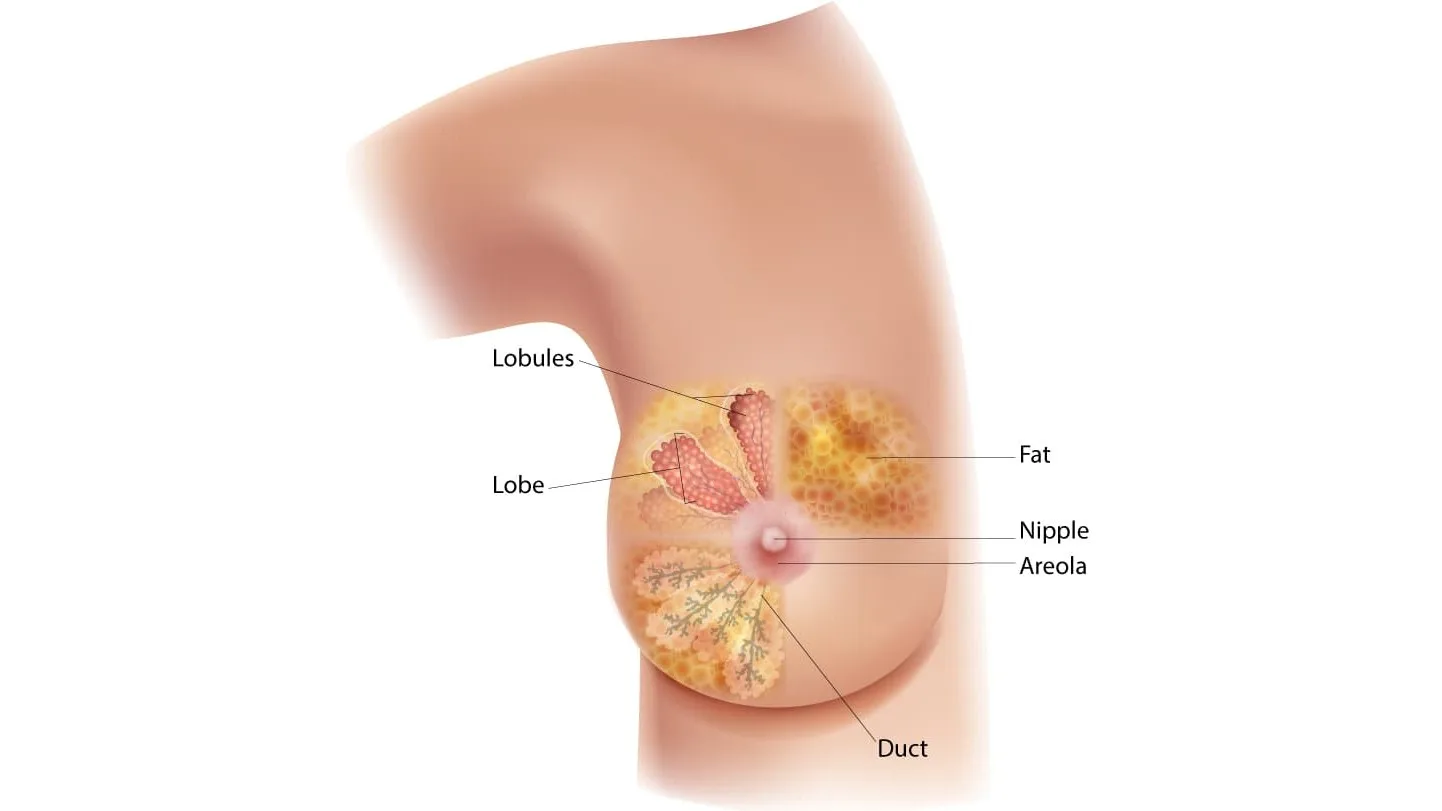
3. Nipple Retraction or Inversion A nipple that turns inward when it previously pointed outward may indicate a tumour pulling on the ducts beneath it. This change can be subtle and gradual, which is why regular self-examination matters so much.
4. Nipple Discharge Spontaneous discharge from one nipple — clear, milky, or bloody — that occurs without squeezing warrants immediate investigation. Bloody nipple discharge, in particular, is considered a red flag at any age.
5. Breast or Nipple Pain While most breast pain is benign and linked to hormonal changes, persistent, unexplained pain in one localised area — especially pain that does not shift with your menstrual cycle — should be assessed by a doctor.
6. Redness, Warmth, or Skin Thickening Inflammatory breast cancer (IBC) is a rare but aggressive form that often mimics infection. The breast may become red, warm, swollen, and tender without a distinct lump. Women are frequently treated for mastitis before the true diagnosis is made.
7. Swelling in the Armpit or Collarbone Area Breast cancer often spreads first to nearby lymph nodes. A firm, swollen lymph node under the arm or near the collarbone can sometimes appear before a lump in the breast is ever felt.
8. Change in Breast Size or Shape Any unexplained asymmetry, distortion, or sudden swelling of one breast — particularly when it develops over a short period — should be examined, even in the absence of pain or a palpable lump.
Understanding Inflammatory Breast Cancer
Inflammatory breast cancer deserves special attention because it presents so differently from classical breast cancer. There is typically no distinct lump. Instead, the entire breast may become red, swollen, and tender — symptoms easily mistaken for a simple infection.
If you are diagnosed with a breast infection that does not improve after one full course of antibiotics, push for imaging. IBC can escalate within days or weeks and is frequently misdiagnosed. The absence of a lump does not mean the absence of cancer.
When to See a Doctor Without Delay
You do not need to wait for a scheduled appointment if you notice any of the following:
A new lump anywhere in the breast or armpit, even if painless
Spontaneous nipple discharge, particularly if bloody or from a single duct
Rapid redness, warmth, or swelling of the entire breast
Skin dimpling, puckering, or retraction that has appeared recently
A nipple that has changed position or shape
Any change that feels new, persistent, and unexplained
The vast majority of breast changes turn out to be benign — fibroadenomas, cysts, or hormonal fluctuations. But only a clinician with proper imaging can make that determination. Seeking evaluation is never an overreaction.
How to Perform a Monthly Breast Self-Exam
The best time to examine your breasts is a few days after your period ends, when tissue is least likely to be swollen or tender. If you no longer menstruate, choose a consistent date each month.
In the shower: Using the pads of your fingers, move in small circular motions across the entire breast — from the armpit to the cleavage, from the collarbone to the abdomen. Apply light, medium, and firm pressure in turn.
In the mirror: Stand with arms at your sides, then raise them overhead. Look for any changes in contour, skin texture, nipple appearance, or size.
Lying down: Place one arm behind your head and use the opposite hand to feel through the breast tissue using the same circular motion. This position spreads the tissue more evenly and allows deeper palpation.
If you find something, stay calm. Roughly 80 percent of lumps biopsied are benign. The purpose of self-examination is not diagnosis — it is familiarity, so that nothing new goes unnoticed or unreported.
Risk Factors Worth Knowing
Certain factors are associated with elevated lifetime risk and may warrant earlier or more frequent screening:
Personal or family history of breast or ovarian cancer
Inherited BRCA1 or BRCA2 gene mutations
Dense breast tissue (confirmed on mammogram)
Previous chest radiation therapy
Long-term use of combined hormone replacement therapy
First menstrual period before age 12 or menopause after age 55
No pregnancies, or first pregnancy after age 30
That said, most women diagnosed with breast cancer have no significant risk factors at all. Awareness is not reserved for high-risk groups — it belongs to everyone.
Key Statistics
2.3 million new breast cancer cases diagnosed globally each year
99% five-year survival rate when caught at stage I
1 in 8 women will develop breast cancer in their lifetime
Early detection reduces mortality by up to 40 percent
Medical Disclaimer: This article is for general informational purposes only and does not constitute medical advice. Always consult a qualified healthcare professional regarding any symptoms or medical concerns.
Similar Topics

Lifestyle Changes That Can Reduce Your Cancer Risk
While not all cancers can be prevented, research shows that healthy lifestyle choices can significantly lower…
HealthUnwired Team
Mar 9, 2026