Breast Cancer: Symptoms, Causes, Diagnosis, Treatment & Prevention
Breast cancer is one of the most common cancers affecting women worldwide. This comprehensive guide explains breast cancer symptoms, causes, diagnosis, stages, treatment options, and prevention strategies to help patients understand the disease and seek early treatment.
 Mr Ajay K ThankiMar 12, 2026
Updated on Mar 12, 2026


Column 1 | Column 2 | Column 3 | Column 4 | Column 5 | Column 6 | Column 7 | Column 8 |
|---|---|---|---|---|---|---|---|
R1 C1 | R1 C2 | R1 C3 | R1 C4 | R1 C5 | R1 C6 | R1 C7 | R1 C8 |
R2 C1 | R2 C2 | R2 C3 | R2 C4 | R2 C5 | R2 C6 | R2 C7 | R2 C8 |
R3 C1 | R3 C2 | R3 C3 | R3 C4 | R3 C5 | R3 C6 | R3 C7 | R3 C8 |
Breast cancer is one of the most common cancers affecting women worldwide. In India, breast cancer accounts for a significant percentage of cancer diagnoses among women, especially in urban regions.
The good news is that early detection and modern treatment methods have greatly improved survival rates. Awareness about symptoms, risk factors, and screening methods plays a critical role in detecting breast cancer at an early stage.
In this comprehensive guide, we explain breast cancer symptoms, causes, diagnosis, treatment options, and prevention strategies to help patients and families make informed healthcare decisions.
What is Breast Cancer?
Breast cancer occurs when abnormal cells in the breast grow uncontrollably and form a tumor. These cancer cells may invade surrounding tissues and can spread to other parts of the body through the bloodstream or lymphatic system.
Breast cancer usually begins in:
Milk ducts (ductal carcinoma)
Milk-producing glands (lobular carcinoma)
Breast connective tissue
Although breast cancer mostly affects women, men can also develop breast cancer, though it is rare.
Breast Cancer Statistics in India


Understanding the prevalence of breast cancer highlights the importance of awareness and screening.
Important statistics include:
Breast cancer represents around 25–30% of all cancers in Indian women
More than 180,000 new cases are diagnosed every year in India
The average age of diagnosis in India is 40–50 years
Early detection can increase survival rates to over 90%
These statistics emphasize the importance of regular screening and early diagnosis.
Common Symptoms of Breast Cancer


Breast cancer symptoms can vary between individuals. Some patients may not experience symptoms in the early stages.
Common warning signs include:
Lump in the Breast or Underarm
A painless lump or thickening in the breast tissue is one of the most common symptoms.
Change in Breast Shape or Size
Swelling or visible changes in breast size or shape should be evaluated by a doctor.
Skin Changes
Possible skin changes include:
Dimpling
Redness
Peeling or scaling
Nipple Changes
Symptoms may include:
Nipple inversion
Nipple discharge
Pain or irritation around the nipple
Persistent Breast Pain
While breast pain is not always related to cancer, persistent discomfort should be checked by a healthcare professional.
Causes and Risk Factors of Breast Cancer
Breast cancer occurs due to genetic mutations in breast cells. Certain factors can increase the likelihood of developing the disease.
Genetic Mutations
Inherited mutations in genes such as:
BRCA1
BRCA2
can significantly increase breast cancer risk.
Age
The risk of breast cancer increases with age, particularly after 40 years.
Family History
Women with a close relative diagnosed with breast cancer have a higher risk.
Hormonal Factors
Extended exposure to estrogen may increase breast cancer risk.
Examples include:
Early menstruation
Late menopause
Hormone replacement therapy
Lifestyle Factors
Certain lifestyle habits may increase breast cancer risk:
Obesity
Alcohol consumption
Smoking
Lack of physical activity
Types of Breast Cancer


Breast cancer is classified into several types based on how it develops.
Ductal Carcinoma in Situ (DCIS)
A non-invasive cancer confined to milk ducts.
Invasive Ductal Carcinoma (IDC)
The most common type of breast cancer that spreads beyond the ducts.
Invasive Lobular Carcinoma (ILC)
Cancer that begins in the milk-producing glands.
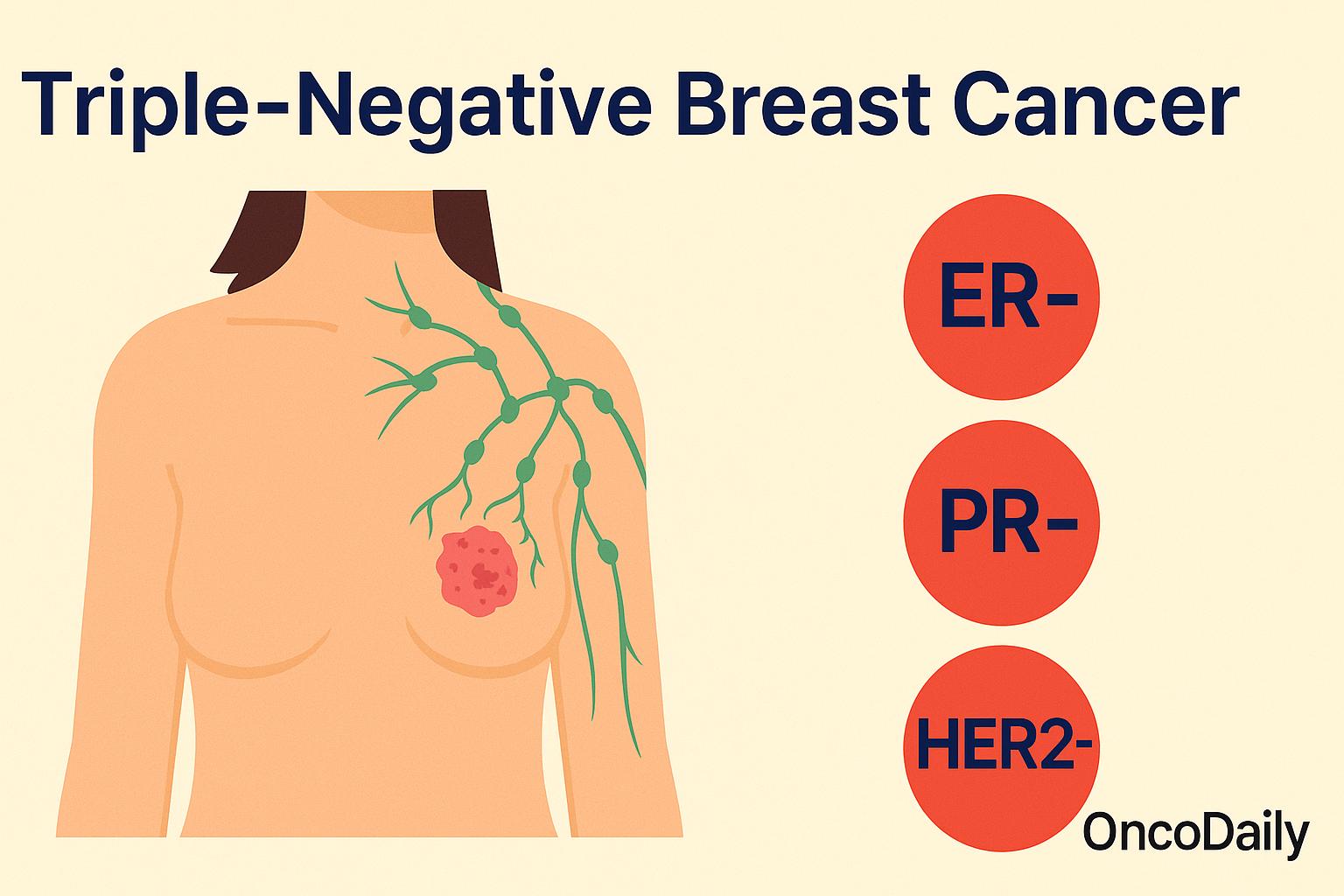
Triple Negative Breast Cancer
A more aggressive form lacking hormone receptors.
HER2-Positive Breast Cancer
Cancer cells that produce excessive HER2 protein, causing rapid growth.
Breast Cancer Diagnosis
Doctors use several tests to confirm breast cancer and determine its stage.
Clinical Breast Examination
A physical examination performed by a healthcare provider.
Mammography
A low-dose X-ray used to detect breast tumors early.
Breast Ultrasound
Used to examine suspicious lumps found during screening.
Biopsy
A biopsy involves removing a small tissue sample for laboratory analysis.
MRI Scan
Magnetic resonance imaging provides detailed images of breast tissue.
Stages of Breast Cancer
Breast cancer is classified into stages depending on tumor size and spread.
Stage 0
Cancer cells remain confined within ducts.
Stage 1
A small tumor limited to breast tissue.
Stage 2
Cancer spreads to nearby lymph nodes or grows larger.
Stage 3
Cancer spreads to multiple lymph nodes or nearby tissues.
Stage 4
Cancer spreads to distant organs such as:
Bones
Liver
Lungs
Brain
Breast Cancer Treatment Options


Treatment depends on the stage, cancer type, and overall health of the patient.
Surgery
Common surgical procedures include:
Lumpectomy
Removal of the tumor along with surrounding tissue.
Mastectomy
Removal of the entire breast.
Chemotherapy
Chemotherapy uses powerful drugs to destroy cancer cells.
It may be given:
Before surgery (neoadjuvant therapy)
After surgery (adjuvant therapy)
Radiation Therapy
High-energy radiation is used to destroy remaining cancer cells after surgery.
Hormone Therapy
Used when cancer cells grow in response to hormones such as estrogen.
Targeted Therapy
Drugs specifically target cancer cells while minimizing damage to normal cells.
Immunotherapy
In certain cases, immunotherapy helps the immune system identify and destroy cancer cells.
Breast Cancer Treatment Cost in India (2026)
Treatment costs vary depending on hospital, city, and treatment plan.
Approximate cost range:
TreatmentEstimated CostSurgery₹1,50,000 – ₹4,00,000Chemotherapy₹50,000 – ₹2,00,000 per cycleRadiation Therapy₹1,50,000 – ₹3,50,000Targeted Therapy₹1,00,000 – ₹4,00,000 per cycle
Many hospitals also provide financial assistance programs and insurance coverage options.
Breast Cancer Prevention Tips
While breast cancer cannot always be prevented, certain habits can reduce risk.
Recommended preventive steps include:
Maintain a healthy weight
Exercise regularly
Limit alcohol consumption
Avoid smoking
Breastfeed if possible
Get regular breast screenings
When Should You See a Doctor?
Consult a healthcare professional immediately if you notice:
A new lump in the breast
Persistent breast pain
Nipple discharge
Changes in breast skin or shape
Early detection greatly increases treatment success.
Frequently Asked Questions (FAQ)
What is the first symptom of breast cancer?
The most common early sign is a lump in the breast or underarm area. Other symptoms may include skin dimpling, nipple discharge, or breast pain.
Can breast cancer be cured?
Yes. Breast cancer can often be successfully treated if detected early.
At what age should women start breast cancer screening?
Doctors usually recommend mammography screening starting at age 40, although women with a family history may need earlier screening.
Is breast cancer hereditary?
About 5–10% of breast cancer cases are hereditary, usually linked to BRCA gene mutations.
Can men develop breast cancer?
Yes. Although rare, men can also develop breast cancer because they have small amounts of breast tissue.
Medical Disclaimer
The information provided in this article is intended for educational and informational purposes only and should not be considered medical advice. Always consult a qualified healthcare professional or oncologist for diagnosis, treatment options, and personalized medical guidance.
Health Unwired does not replace professional medical consultation. If you experience symptoms or health concerns, please seek medical attention immediately.